
7 Safety Checks Every Property Owner Should Make After Flooding
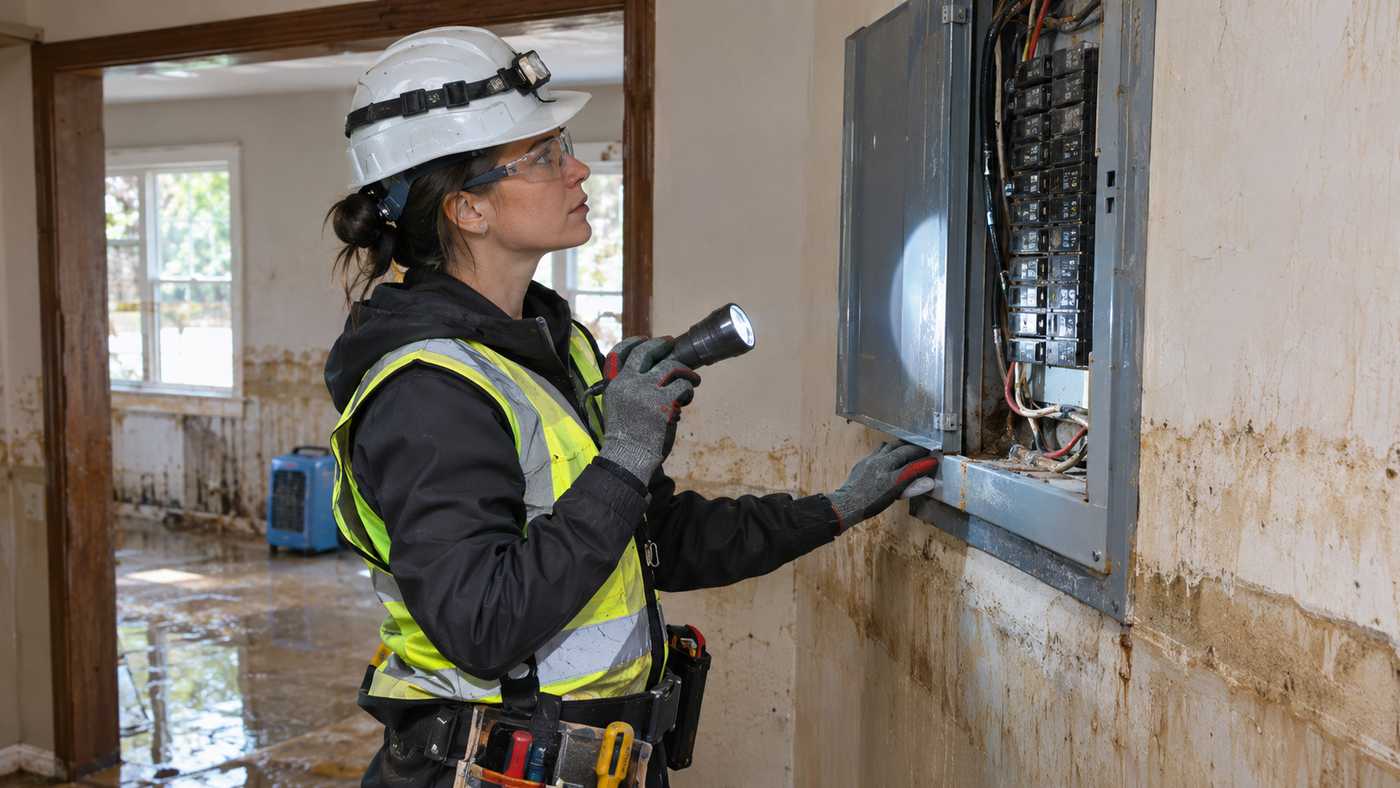
Flooding can leave a property unsafe even after the water begins to recede. Standing water, damaged electrical systems, weakened building materials, and contaminated surfaces can create serious risks for anyone entering the affected area. Safety assessments should therefore come before cleaning, repairs, or moving belongings. Identifying immediate hazards helps prevent injuries and further property damage.
Water damage can develop from several sources, each requiring different precautions. Heavy rainfall, sewer backups, and flooding leaks and burst pipes can affect flooring, walls, electrical equipment, and structural materials. While some incidents involve relatively clean water from supply lines, others introduce sewage or chemical contaminants. Understanding the source helps property owners determine which areas need professional attention.
1. Check Whether the Property Is Safe to Enter
Before entering a flooded building, examine its surroundings from a safe distance. Look for fallen power lines, damaged entrances, accumulated debris, and visible changes to the building’s exterior.
The Environmental Protection Agency (EPA) recommends waiting until qualified professionals confirm that a flooded property is safe to reenter. Structural damage and electrical hazards may remain even when standing water is no longer visible.
Initial Entry Safety Checklist
- Confirm that local authorities have lifted evacuation or access restrictions.
- Check for damaged doors, windows, walls, and roofing.
- Stay away from fallen electrical lines and submerged equipment.
- Avoid entering rooms with sagging ceilings or unstable floors.
- Leave immediately if you suspect a gas leak.
If the building appears unstable, remain outside. A professional assessment is safer than attempting to inspect potentially dangerous areas yourself.
2. Identify Electrical Hazards and Exposed Wiring
Water and electricity create a dangerous combination. Flooding can reach outlets, switches, appliances, electrical panels, and concealed wiring. Even equipment that appears dry may contain moisture.
Guidance from the EPA warns against touching electrical equipment when it is wet or when standing in water. Electricity should be disconnected only when the main switch can be reached safely without entering a hazardous area.
What Should You Inspect?
- Outlets and switches exposed to floodwater.
- Damaged extension cords or visible wiring.
- Electrical panels located near flooded areas.
- Appliances that were partially or completely submerged.
Do not test flooded appliances or restore electrical service without professional clearance. A licensed electrician should evaluate affected components before normal use resumes.
3. Assess Possible Structural Instability
Floodwater can weaken building materials and affect the stability of floors, walls, and foundations. Prolonged moisture exposure may also damage timber, drywall, insulation, and other materials.
The National Institute for Occupational Safety and Health (NIOSH) recommends inspecting flood-damaged buildings to determine whether structural repairs are necessary.
Look for visible cracks, leaning walls, warped flooring, sagging ceilings, and doors that suddenly become difficult to open. These signs do not always indicate structural failure, but they deserve further investigation.
Never remove damaged supporting materials without understanding their function. If structural movement or serious deterioration is suspected, ask a qualified structural engineer or building specialist to assess the property.
4. Determine Whether Standing Water Is Contaminated
Floodwater should never be assumed safe based on appearance alone. Water entering from streets, drains, or overflowing waterways may contain sewage, harmful microorganisms, and chemical residues.
The Centers for Disease Control and Prevention (CDC) explains that floodwater can carry bacteria and waste from agricultural, industrial, and sewage sources. Exposure may create additional health concerns, particularly when contaminated water reaches open wounds.
Practical Contamination Precautions
- Avoid direct contact with potentially contaminated water.
- Keep children and pets away from affected areas.
- Wear appropriate protective gloves, boots, and eye protection.
- Discard contaminated items that cannot be properly cleaned.
- Seek professional assistance for sewage-related contamination.
For flooded private wells, follow local water-testing guidance before drinking or using the water for household purposes.
5. Inspect Accessible Areas for Plumbing Damage and Active Leaks
Not every water-damage incident begins outdoors. Broken supply lines, damaged plumbing connections, leaking fixtures, and failed water heaters can introduce significant moisture into a building.
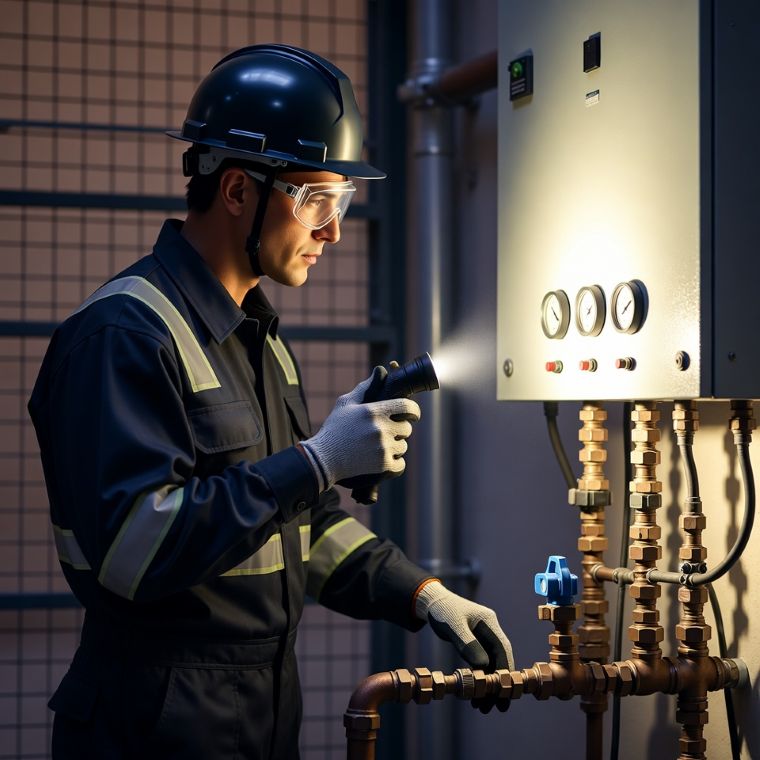
Once access is safe, examine visible pipes, faucets, toilets, water heaters, and plumbing connections. Look for active dripping, unusual moisture, water stains, or reduced water pressure.
If a supply pipe is leaking, shut off the water at an accessible valve when safe. Avoid disturbing damaged plumbing or opening walls to investigate concealed problems.
The CDC emphasizes repairing plumbing and other moisture sources to prevent recurring mold problems. A licensed plumber can locate hidden failures and determine whether damaged components need replacement.
6. Check for Moisture-Related Mold and Indoor Air Concerns
Moisture can remain trapped behind walls, beneath flooring, and inside insulation long after visible water disappears. These damp conditions support mold growth and may affect indoor air quality.
The EPA advises cleaning and drying flooded materials within 24 to 48 hours whenever possible. If materials remain wet beyond this period, property owners should assume mold may be developing.
Inspect accessible surfaces for discoloration, persistent dampness, and musty odors. Avoid disturbing visibly moldy materials without appropriate protection.
Open windows when conditions permit. Use fans and dehumidifiers only after electrical safety has been confirmed. The EPA cautions against using fans around visible mold because airflow can spread spores. Extensive contamination or moisture hidden within building assemblies may require professional remediation.
Property owners should watch for unusual odors, airflow problems, and other HVAC safety warning signs that may indicate the system needs professional attention. A qualified HVAC technician can assess affected equipment before normal operation resumes.
7. Document Damage and Evaluate Cleanup Requirements
Once the property is safe to inspect, document visible damage before removing materials. Clear records can support insurance claims, repair planning, and future maintenance decisions.
The EPA recommends photographing affected rooms and belongings before beginning cleanup. Property owners should also contact their insurance provider to understand applicable documentation requirements.
What Should Your Damage Records Include?
- Photographs of damaged rooms and building materials.
- Visible water levels and affected electrical equipment.
- Damaged furniture, appliances, and personal belongings.
- Dates, observations, and actions taken after flooding.
- Repair assessments, receipts, and professional inspection reports.
Evaluate whether cleanup involves contaminated water, extensive material removal, or specialized drying equipment. These conditions may require qualified restoration professionals rather than routine household cleaning.
Why Professional Clearance Matters Before Normal Use
Flood recovery should follow a clear sequence: identify hazards, confirm safe access, stop the water source, document damage, and begin appropriate cleanup. Rushing these steps can expose occupants to avoidable risks.
Electricians should inspect affected electrical systems, plumbers should address damaged supply lines, and structural specialists should evaluate suspected instability. Qualified restoration professionals can assess contamination and hidden moisture.
Careful inspections protect occupants while supporting more reliable repairs. Before normal activities resume, property owners should confirm that identified hazards have been addressed and affected areas are safe for use.
 One of the important features of a quality control system is that there are tests implemented prior to leaving the supplier or the fabrication plant. These tests can include verifying product properties such as:
 Every year, thousands of red-carpet and corporate events in New York showcase their identity through large, dramatic backdrops. These banners do more than frame photo moments. They carry logos, sponsors, and a sense of occasion. Yet behind their striking visuals lies a serious responsibility. Materials must be safe, frames must hold steady, and installation must comply with regulations that keep both guests and staff secure.
 Installing a chandelier may seem simple, but safety should always be the priority. A chandelier is a decorative piece and a functional light source. If installed improperly, it can pose a significant safety risk. Whether installing a heavy, intricate fixture or a sleek, minimalist design, the key to a safe installation lies in careful planning, proper equipment, and attention to detail. Explore the essential steps and tips for safely hanging your modern chandelier.
 Understanding how radiators work can be both fascinating and educational for students. By engaging in a hands-on experiment, students gain insight into the process of heat transfer and how radiators warm up a space. This STEM activity, designed to be simple and safe, allows students to create a small DIY heat source and track temperature changes in different materials. It’s an ideal exercise for classrooms, STEM programs, or homeschooling setups.


 Car breakdowns as well as road accidents could happen to anyone at some point. But if such unfortunate incident does occur, the only way to get you and your car out of this situation is to contact and hire the service of a reliable towing service. Ensuring that reliability of the towing company you hire is crucial since as soon as your vehicle is hooked on the tow truck, it is now their responsibility to make certain that your vehicle is properly handled and that you aren’t taken advantage of in terms of the services and fees you have incurred. Hence, in such circumstances, finding a reputable and trustworthy towing service is crucial in any situation. Check out
 There are certain instances wherein you need a towing service, such as towing company san jose, for assistance. Without their service and assistance, the possibility of you getting stranded at the roadside is high until a someone with a kind heart offers to help you. While there are people who are ready to help you, it is still a better option to contact a reliable towing service instead of waiting for hours on the roadside for
 You don’t know when you may need a towing service so its always a good thing to have the contact details of a towing service. By doing so, you are prepared and can immediately contact them if you need them. With that, here are a number of tips to make certain you choose a reliable towing company, like towing company san jose.
 Building a strong online presence requires more than publishing content and hoping people will notice it. Businesses need to understand how their audience responds to their messages, especially on platforms where community participation influences visibility. Reddit is one example. Users can share experiences, discuss products, ask questions, and vote on content they find valuable. For businesses looking to reach active communities, these interactions can offer useful insights into customer interests and expectations, our customers buy upvotes from this site.





 Trustworthy online directories act as gatekeepers in a chaotic digital world. With cyber threats like phishing and malware lurking around every corner, these curated platforms provide a vital layer of protection. They don’t just list websites; they rigorously vet them, ensuring users can browse with confidence. By prioritizing security checks like SSL validation, HTTPS enforcement, and phishing detection, verified directories create a safer internet experience. Let’s explore why these quality-controlled platforms are indispensable for secure browsing.



 When people think of hospital cleanliness, they usually picture sparkling floors, sanitized instruments, and hands being washed nonstop. But there’s another part of the healthcare environment that often gets overlooked—upholstered furniture. Chairs in waiting rooms, padded benches in exam rooms, and staff lounge sofas are used
 Machine’s frame materials are also important. It is better to consider its quality, robustness and stability. The boxing machine can be mounted on the floor or wall provided that the mounting is proped secured. For safety risk, it is better to follow the manufacturer’s manual for instructions.
 The type of fence you choose impacts its effectiveness in protecting your property. Below are the most common fencing options for both residential and commercial properties:



 Company executives with a schedule to attend a business trip in Korea, can look forward to experiencing the Seoul business trip massage (서울 출장마사지) Home Thai or On-Site Thai Massage. Using the services of Everybody’s Home Tie (모두의홈타이) assurance to anyone in need of a Business Trip Home Massage that they will receive quality Thai massage from licensed practitioners.
 While Korean hosts are hospitable and genuinely friendly to foreign guests, individual personalities can sometimes get in the way when looking to close an important partnership deal with Korean businessmen. Generally, it’s natural for Koreans to maintain a respectful attitude toward persons they choose as partners. Yet there should be mutual respect and cooperation as most Koreans give importance to ethical